Preparatory year: instruments, pilot and ethics approvals
Living with Diabetes in Qatar: the LDQ Cohort
A five-year cohort following adults with type 2 diabetes across four care settings, to learn how digital and AI advice shapes diabetes distress and self-management.
Part of DAQIQ · دقيق: Diabetes Analytics for Quality of life through Individualised care in Qatar.
- Status
- Active
- Duration
- 2026–2032
- Funding
- HBKU institutional resources
- Team
- 1 person
- Publications
- 0
In plain language
We will ask the same adults with type 2 diabetes in Qatar, once a year for five years, where they get advice about their diabetes, from doctors to AI chatbots, and how that advice affects their wellbeing and daily care.
Why it matters
- Diabetes affects about one in six adults in Qatar, and most of its care happens at home, between clinic visits.
- More and more people turn to search engines, social media and AI chatbots for health advice. No study has followed how this changes their wellbeing and safety over time.
- What we learn will help clinicians, educators and policymakers give advice that works for the people who receive it.
Overview
People with type 2 diabetes in Qatar increasingly look for advice beyond their clinic: search engines, video platforms, messaging groups and, more and more, AI chatbots. That advice can support daily self-management, but it can also conflict with clinical advice or prompt unsupervised changes to medication.
Whether this shift reduces or increases diabetes distress and unsafe self-management, and for whom, is not known. Existing studies take one snapshot in one setting. The LDQ Cohort follows the same people every year for five years, across four very different points of contact inside one health system.
Research question
As people with type 2 diabetes in Qatar shift between clinicians and digital or AI sources of advice, does that shift reduce or increase their diabetes distress and unsafe self-management over five years, and for whom?
Objectives
- Describe each year which sources of diabetes advice people use and trust, including generative AI, and how this changes within the same people over five years.
- Examine how advice-seeking, conflicting advice and actions taken on digital advice relate to diabetes distress and self-management over time.
- Identify who is at risk of unsafe self-management prompted by digital or AI advice, and whether this predicts self-reported hypoglycaemia.
- Compare these processes across specialist care, primary care, community and online settings.
- Develop and validate three new instruments: the Advice-Source Portfolio, the Digital-Advice Action Checklist and the Advice-Conflict Scale.
Approach and data
- Four parallel recruitment streams: Hamad Medical Corporation diabetes clinics, Primary Health Care Corporation health centres, the Qatar Diabetes Association, and social media and community networks.
- An annual online survey from October to December, in Arabic or English, with a fixed core, a stream-specific block and one or two rotating modules.
- About 200 participants per stream each wave, with at least 500 completing the core instrument every year.
- Participants consent once and can choose to be invited again each year; responses are linked with a self-generated code, not names.
- Each year’s master’s researchers own one stream and one module, so every thesis adds a new question to the same long-term study.
Timeline
- 2026–27Preparatory year: scoping review, instrument development, pilot with about 100 participants, clinician consensus study and ethics approvals.
- Oct–Dec 2027Wave 1: baseline profiles by stream and validation of the new instruments.
- Oct–Dec 2028Wave 2: first within-person change.
- Oct–Dec 2029Wave 3: three-wave trajectories, health literacy and safety.
- Oct–Dec 2030Wave 4: lagged effects compared across settings.
- Oct–Dec 2031Wave 5: five-year synthesis and prediction of persistent distress and unsafe actions.
Team
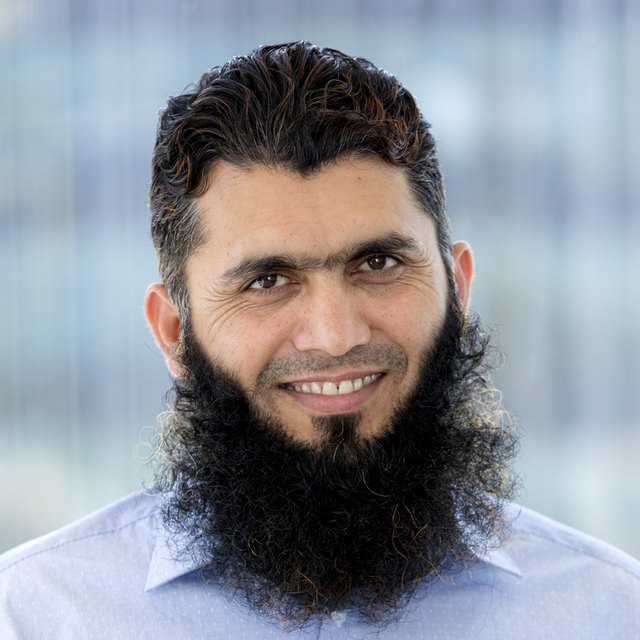
Site principal investigators at Hamad Medical Corporation and Primary Health Care Corporation, a research assistant and each year’s master’s researchers join the team as approvals are granted.
Partners
- Hamad Medical Corporation (site approval in preparation)
- Primary Health Care Corporation (site approval in preparation)
- Qatar Diabetes Association (invited)
Publications
No publications yet.Papers from this project will appear here.
Ethics
Approvals are being sought from the HBKU, HMC and PHCC institutional review boards. Recruitment begins only after approval.
Get involved
Take part in the LDQ Cohort
Recruitment opens after ethics approval. Register your interest and we will contact you when the survey opens.